
Introduction to Afghan Onyx and Marble
Afghan onyx and marble are two remarkable natural stones renowned for their stunning aesthetics and unique properties. These gemstones, formed over millions of years, possess rich colors, varied patterns, and remarkable structural quality that appeal to architects, designers, and homeowners alike in the global market. The distinct features of Afghan onyx, typically characterized by its dramatic veining and vibrant hues, contrast with the elegance of Afghan marble, noted for its solidity and luxurious finish.
The geological significance of these stones lies in their formation process, which is influenced by the tectonic activities and environmental conditions prevalent in Afghanistan. The region’s unique geological setting has created an array of mineral compositions, leading to the production of exquisite varieties of onyx and marble. Each stone type showcases a palette of colors ranging from deep greens and rich browns to transcendental whites and blues, ensuring that no two pieces are identical. Such diversity makes Afghan onyx and marble highly sought after in construction and decorative applications worldwide.
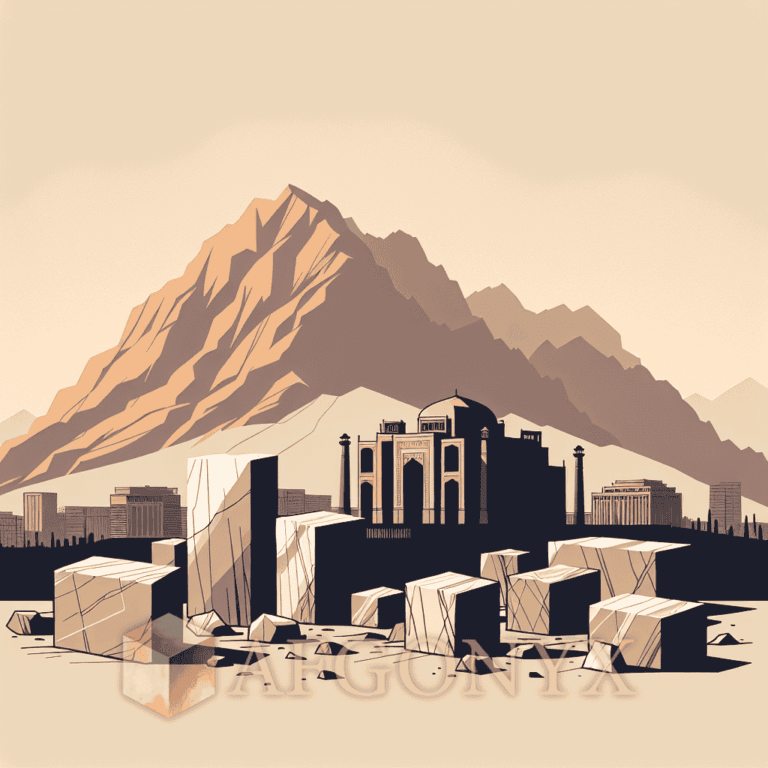
Afghanistan’s natural resources have endowed these stones with remarkable qualities that differentiate them from alternatives sourced elsewhere. The extraction of onyx and marble requires careful consideration due to the fragile nature of the mineral deposits. Artisan miners utilize traditional techniques along with modern methods to ensure the sustainable capture of these precious stones while supporting local economies. The commitment to quality during extraction and processing is vital in upholding the reverence for Afghan onyx and marble in the global marketplace.
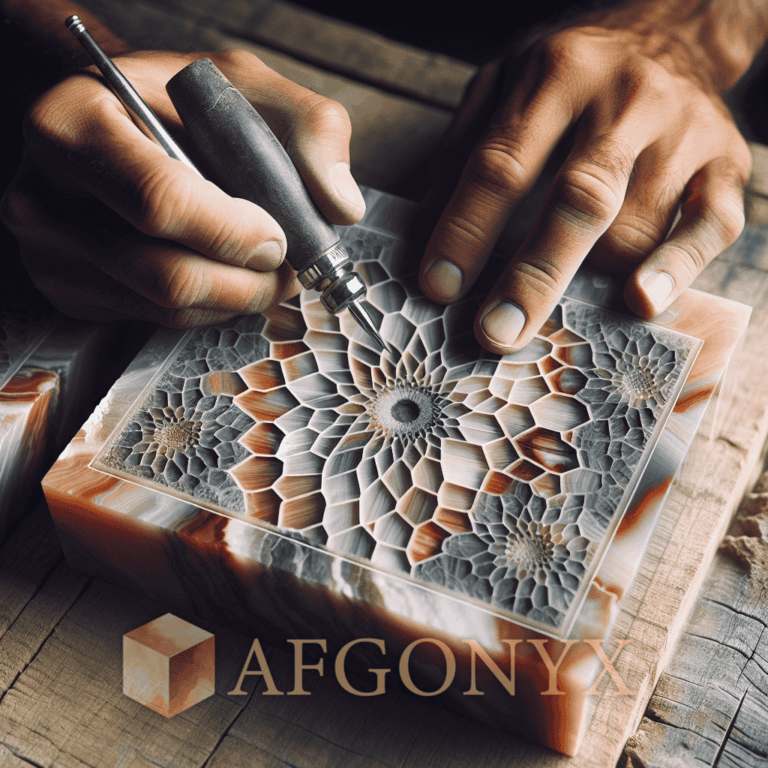
The intersection of artistry and natural beauty in these stones not only highlights their importance as commodities but also emphasizes the rich cultural heritage and craftsmanship that underpin their appeal. As we delve deeper into the history and significance of Afghan onyx and marble, we uncover a fascinating narrative intertwined with the landscape of Afghanistan itself.
Historical Significance of Afghan Stone Mining
Afghanistan’s stone mining history is deeply intertwined with its rich cultural heritage, tracing back to ancient civilizations that recognized the value of onyx and marble. The earliest evidence of stone extraction in this region dates back to the pre-Islamic era, when local artisans began to harness these natural resources for architectural and artistic purposes. Afghan marble, with its striking patterns and durability, was often used in temples and palaces, establishing a tradition of craftsmanship that continues to this day.
The rise of the Silk Road significantly influenced the industry, as Afghanistan became a crucial hub for trade between the East and West. This ancient trade route facilitated not only the exchange of goods but also artistic techniques and styles, showcasing Afghan onyx and marble to a broader audience. The vibrant colors and intricate veins of these stones captivated artisans and architects from various cultures, leading to their incorporation in historical structures around the world. Notably, monumental buildings such as the Buddha statues in Bamiyan utilized local stone, highlighting its importance in decorative art and architecture.
Throughout various eras, the significance of Afghan stone mining has evolved, yet its cultural importance remains steadfast. As different empires rose and fell in the region, each left its mark on the stone industry, contributing uniquely to the techniques employed and the designs produced. During the Islamic Golden Age, for instance, the intricate tile work and geometric patterns became prominent, often involving Afghan marble and onyx in their creations. This rich historical context not only underscores the aesthetic value of these stones but also reflects Afghanistan’s enduring legacy as a center for stone mining and art, continuing to inspire generations of craftsmen and artists. The reverberations of these ancient practices can still be felt today, as Afghan onyx and marble are celebrated for their beauty and durability in modern architecture and design.
Current Landscape of Afghan Onyx and Marble Exports
The Afghan onyx and marble industry has seen varying degrees of success in recent years, with exports demonstrating a notable presence in the global market. Primarily, the most significant buyers of Afghan onyx and marble include neighboring countries, such as Pakistan and India, as well as markets in Europe and the Middle East. These regions have shown a growing demand for high-quality natural stones, driven by both construction and interior design sectors. As a result, Afghanistan’s rich deposits of onyx and marble can cater to diverse aesthetic and functional demands, bolstering the export potential.
Economically, the export of onyx and marble plays a vital role in Afghanistan’s development. The revenue generated not only contributes to the national economy but also provides livelihoods for many families involved in quarrying and processing these stone resources. With strategic investment and international partnerships, the potential for growth in this sector is considerable. However, the industry faces significant challenges that hinder its optimal performance.
Key obstacles include logistical issues, particularly related to transportation and infrastructure inadequacies in Afghanistan. High transport costs and long transit times have affected the competitiveness of Afghan onyx and marble prices in the international market. Additionally, ongoing political instability in the region has created an unpredictable business environment, discouraging foreign investments and affecting trade relations. Furthermore, Afghan exporters need to contend with competition from other countries that offer similar products, often at lower prices.
Despite these hurdles, the Afghan onyx and marble industry continues to hold promise. By addressing systemic issues and fostering a stable investment climate, the sector may enhance its export capabilities, thereby contributing to Afghanistan’s economic recovery and growth. In conclusion, the future of Afghan onyx and marble exports is contingent upon developing the necessary infrastructure, resolving political uncertainties, and strategically positioning the country within the global stone market.
Future Outlook: Sustainability and Innovation in the Afghan Stone Industry
The Afghan stone industry, particularly the onyx and marble sectors, stands at a pivotal juncture characterized by an urgent need for sustainable practices and innovative techniques. As global demand for natural stones continues to rise, it is essential for Afghanistan to adopt approaches that not only enhance the quality of its products but also mitigate environmental impacts. Sustainable stone extraction and processing methods are critical for ensuring the industry’s longevity, given the increasing scrutiny on mining practices worldwide.
One way forward involves the implementation of eco-friendly extraction techniques that minimize land degradation and water usage. Technologies such as water jet cutting can conserve water and reduce dust emissions during the processing of onyx and marble. Additionally, the use of renewable energy sources, such as solar power, could significantly reduce the carbon footprint associated with mining operations. Emphasizing sustainable practices will not only align with global trends towards environmental responsibility but also enhance Afghanistan’s reputation in the international market.
Moreover, innovation in product design and application can open new avenues for Afghan onyx and marble. Developing value-added products, such as decorative tiles and bespoke furniture, can capture diverse segments of the global market that seek unique and artisanal stone products. Collaborative efforts among local stakeholders, including government, industry players, and non-governmental organizations, can foster an ecosystem that prioritizes research and development. This could involve training programs for workers on sustainable practices and innovative techniques, ensuring that they are equipped to meet evolving market demands.
In conclusion, the future of the Afghan stone industry relies on embracing sustainability and fostering innovation. By addressing environmental concerns and enhancing product offerings, stakeholders can not only secure the prosperity of the industry but also contribute to the socioeconomic development of Afghanistan. The path to a sustainable and innovative stone industry is not only beneficial for local economies but essential for maintaining the rich heritage of Afghan onyx and marble in a competitive global landscape.