Introduction to Afghan Onyx
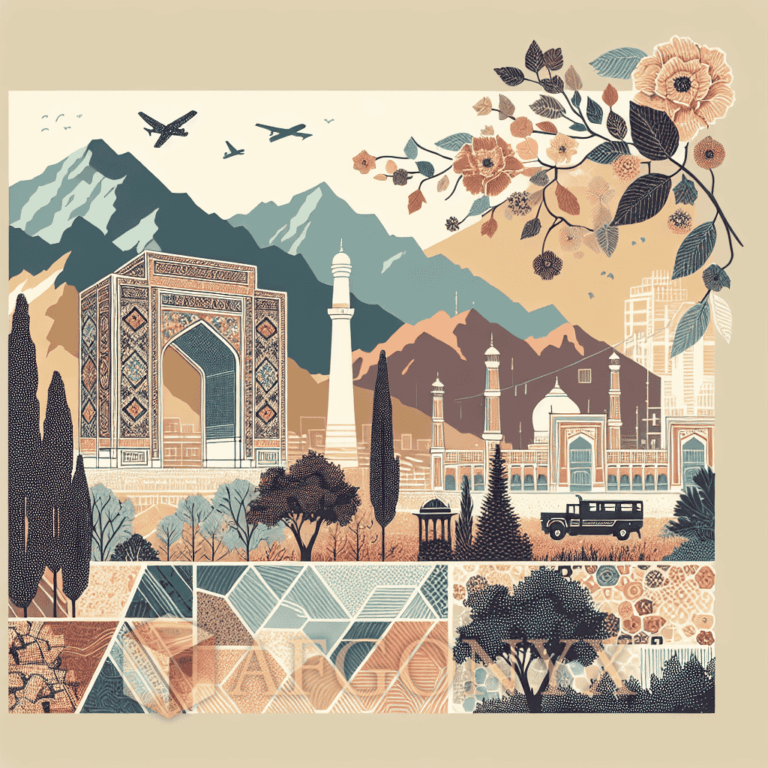
Afghan Onyx is a captivating natural stone that has garnered significant attention for its beauty and versatility. This gemstone, formed primarily from silica deposits, is characterized by its striking bands and intricate patterns, which can range from earthy tones of brown and cream to vibrant hues of green and red. The unique aesthetic qualities of Afghan Onyx stem from the geological processes that occur in the mountainous regions of Afghanistan, where this remarkable stone is found.
The formation of Afghan Onyx involves the crystallization of minerals over thousands of years, resulting in its distinct layering and coloration. These layers, known as bands, create a tapestry of colors that is often sought after for various decorative applications. This gemstone not only serves as an attractive material for jewelry but has also found its place in architectural designs, including countertops, wall panels, and flooring, enhancing the overall elegance of spaces.
In addition to its visual appeal, Afghan Onyx is recognized for its strength and durability, making it a practical choice for both ornamental and functional purposes. The stone is typically mined in regions such as the Badakhshan province, where local artisans carefully extract and craft it into unique pieces. The location of its natural occurrence contributes to its value, as Afghan Onyx is often considered a luxury item due to its relative scarcity and the labor-intensive processes involved in its extraction and preparation.
Furthermore, the demand for Afghan Onyx has expanded globally, particularly in markets like Germany, where it is appreciated for both its aesthetic qualities and cultural significance. The blend of ancient craftsmanship and modern design continues to elevate Afghan Onyx as a prominent choice among discerning consumers and designers alike.
The Process of Mining Afghan Onyx
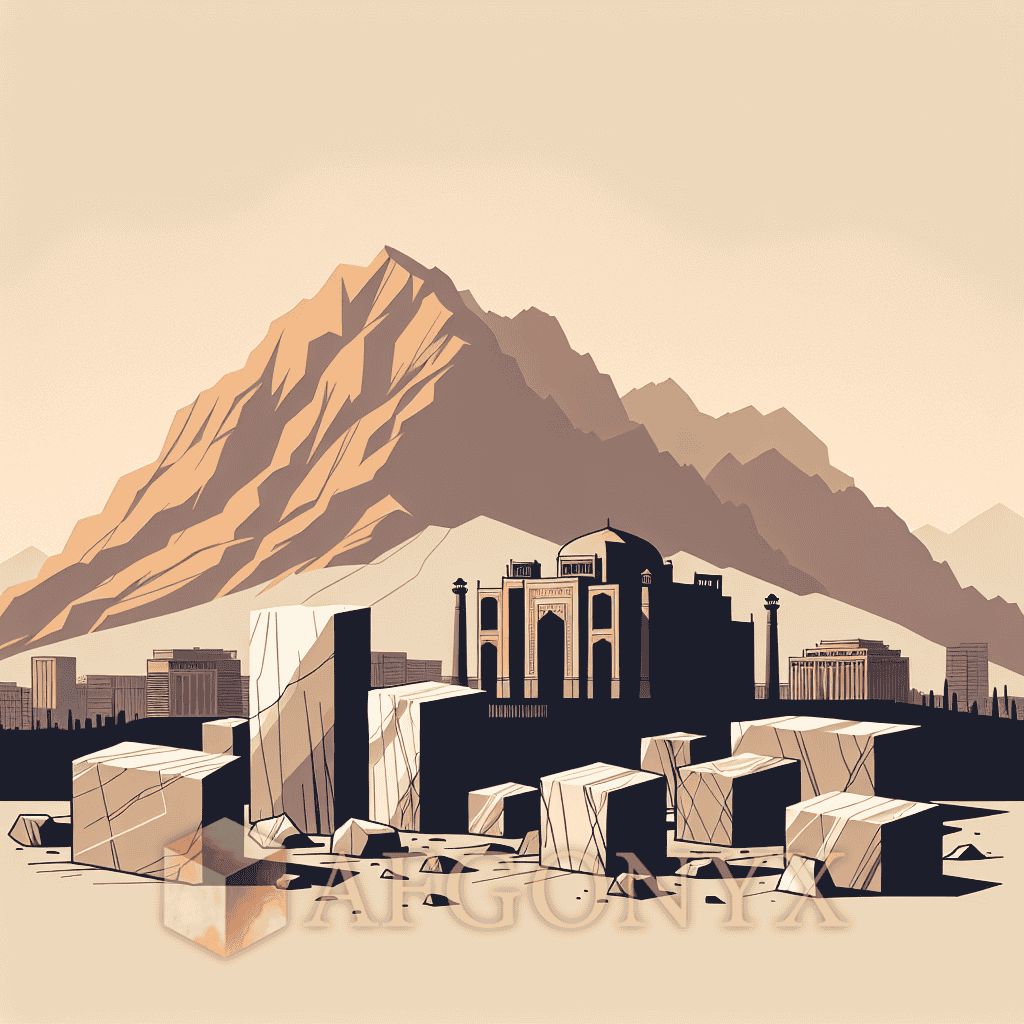
Afghan Onyx, a prized gemstone known for its striking patterns and vivid colors, is primarily sourced from the mountainous regions of Afghanistan, particularly in areas like Badakhshan and the Panjshir Valley. These geographic locations are renowned for their rich mineral deposits, which include high-quality onyx. The mining process is labor-intensive and requires a combination of traditional techniques and modern equipment. Miners often employ hand tools for the initial extraction of the stone, using chisels and hammers to carefully break apart the rock without damaging the onyx itself, thereby preserving its aesthetic qualities.
One of the significant challenges faced in the mining of Afghan Onyx stems from the political instability and security concerns in the region. Illegal mining operations and the presence of armed groups can complicate legal mining activities, posing risks to the safety of miners and affecting the overall supply chain. Additionally, environmental concerns are at the forefront of the mining process, as the extraction of onyx can lead to habitat destruction and soil erosion if not managed sustainably. In response, some mining operations have begun adopting environmentally friendly practices to mitigate these impacts while still producing high-quality onyx.
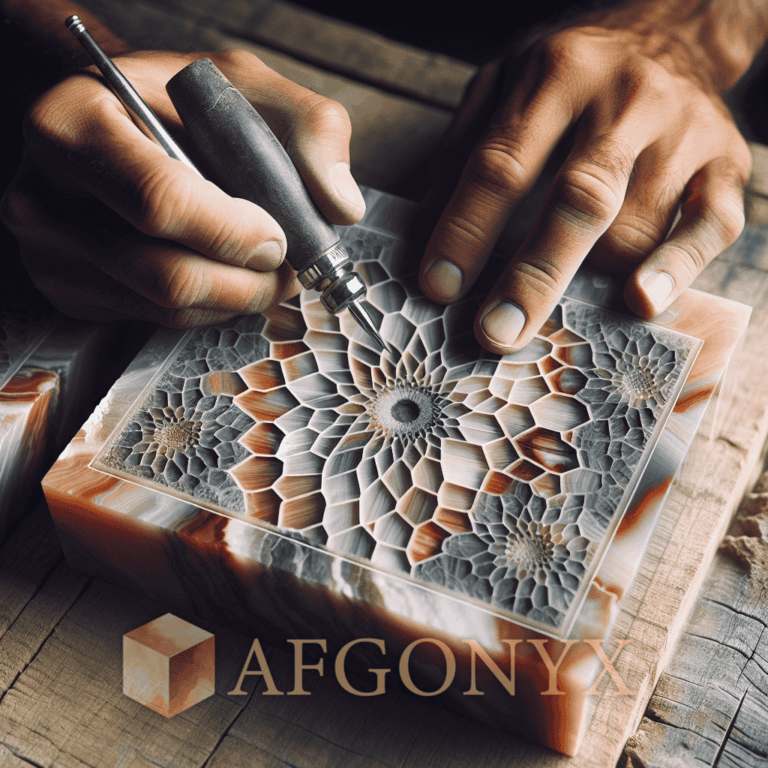
Following extraction, onyx undergoes a meticulous artisan process that transforms the raw stone into usable products. Artisans in Afghanistan are skilled in stone craftsmanship, employing techniques passed down through generations. This includes polishing, cutting, and shaping the stone into a variety of finished goods, ranging from decorative items to jewelry. The artistic touch added by these artisans not only enhances the aesthetic appeal of Afghan Onyx but also contributes to its market value, making it a sought-after material in international markets, including Germany.
Exporting Afghan Onyx to Germany
The export of Afghan Onyx to Germany involves a multifaceted logistics framework that is governed by specific regulations and trade agreements. Afghanistan, rich in natural resources, supplies high-quality onyx that is sought after in various industries, notably construction and design. The onyx is transported via established trade routes, primarily through land and air freight, ensuring timely delivery to meets the demands of the German market.
One of the primary frameworks guiding the export is the Afghanistan-Germany trade agreement, which facilitates the exchange of goods and provides a legal basis for the transaction processes. This agreement promotes bilateral trade by lowering tariffs and simplifying customs regulations, making it easier for Afghan exporters to reach German consumers. However, exporters must navigate the complexities of customs documentation, ensuring compliance with both Afghan regulations and German import standards.
Transport routes for Afghan Onyx typically involve a combination of overland trucking to reach neighboring countries, followed by air freight or shipping. The use of international shipping companies play a critical role in this process, as they provide the necessary infrastructure for moving goods efficiently. The transportation of onyx requires additional consideration, particularly in terms of protective packaging and handling, due to the stone’s fragility. Stakeholders such as logistics firms, customs brokers, and cargo handlers contribute significantly to the export process, ensuring that the onyx arrives at its destination in pristine condition.
Germany represents a vital market for Afghan Onyx, characterized by a growing demand for natural stones, driven by increased construction activities and an expanding design sector. The appeal of onyx lies in its unique coloration and translucency, making it a preferred choice for interior design, flooring, and decorative applications. This rising interest not only opens new avenues for Afghan exporters but also fosters economic growth and employment opportunities within Afghanistan.
The Future of Afghan Onyx in the European Market
The Afghan Onyx market is poised for significant growth in the European arena, particularly in Germany, where natural stones are increasingly in demand for both construction and decorative purposes. This demand is fueled by a growing awareness of the unique aesthetic qualities of Afghan Onyx, coupled with a shift towards the use of sustainable and ethically sourced materials. As the European market evolves, Afghan Onyx exporters must stay attuned to market trends, consumer preferences, and competitive dynamics to ensure their ongoing success.
One of the most promising opportunities lies in the integration of advanced technology in marketing and distribution. Digital platforms can be leveraged to showcase the unique features of Afghan Onyx to a broader audience, enhancing visibility and accessibility. Moreover, collaboration with local interior designers and architects can foster innovative applications, increasing the stone’s desirability. By emphasizing its rarity and exotic origins, Afghan Onyx can carve out a distinct niche within the European stone marketplace.
However, challenges persist, predominantly related to logistics and the geopolitical climate of Afghanistan. Exporters must navigate complex regulations and potential disruptions that can impact supply chains. To address these issues, developing robust frameworks for sustainable practices becomes essential. This involves adopting environmentally friendly extraction and processing methods, coupled with a commitment to fair labor practices. Enhancing transparency throughout the supply chain can strengthen consumer trust and bolster the reputation of Afghan Onyx.
Furthermore, fostering stronger trade relationships between Afghan exporters and European buyers is crucial. Initiatives such as trade fairs, partnerships with trade associations, and participation in industry events can provide valuable networking opportunities. By actively engaging with stakeholders across the continent, Afghan Onyx can solidify its presence in Europe, ensuring its relevance in the competitive stone market for years to come.